
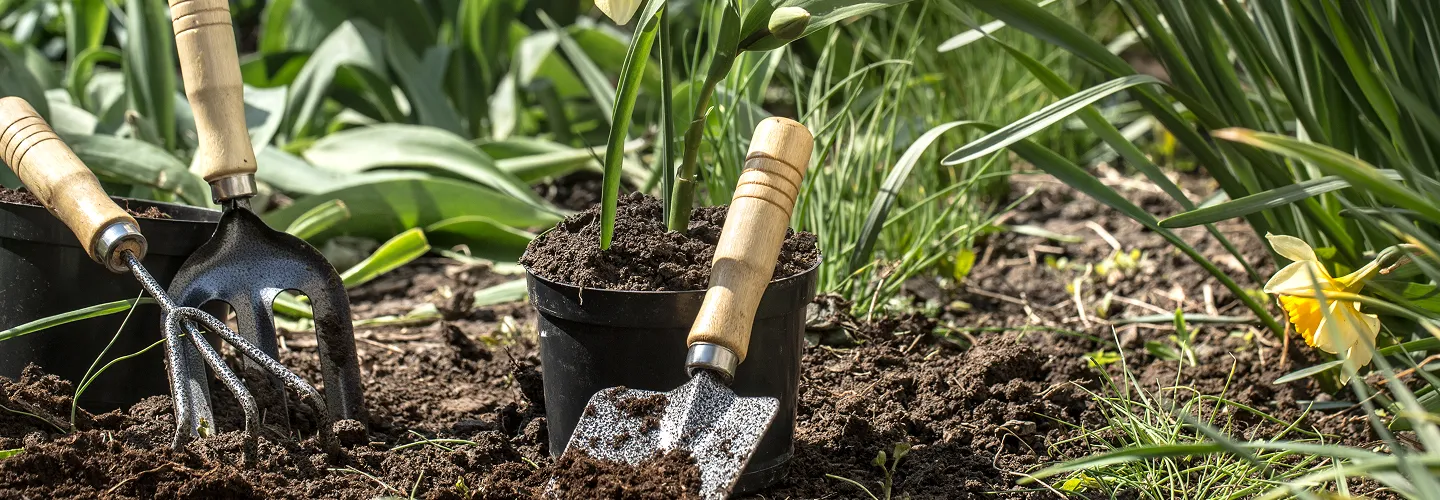
Missouri City Sod Installation Services
Choose our expert sod installation for a seamless, hassle-free transformation—enjoy a vibrant, healthy lawn that boosts your curb appeal and adds value to your home in no time.
Get a Free QuoteOur Missouri City Landscaping & Yard Care Services
When to Schedule Sod Installation in Missouri City, Texas – Seasonal Guide
In Missouri City, Texas, the best time to schedule sod installation is typically during the late spring or early fall. These seasons offer moderate temperatures and consistent rainfall, which are ideal for establishing healthy root systems. The local climate, characterized by hot, humid summers and mild winters, means that installing sod during the peak of summer can expose new lawns to heat stress, while winter installations risk poor root development due to cooler soil temperatures. Neighborhoods like Sienna and Quail Valley, with their mix of sun and shade, require careful timing to ensure sod takes root before the onset of extreme weather.
Local environmental factors such as the region’s clay-heavy soils, variable shade coverage from mature oaks and pecans, and the risk of late spring frosts or summer droughts all play a role in determining the optimal installation window. Homeowners should also be aware of municipal watering restrictions, especially during dry spells, and consider consulting resources like the Sudbury landscaping guide for additional insights tailored to similar climates.
Local Factors to Consider for Sod Installation in Missouri City
- Tree density and shade coverage, especially in established neighborhoods like Lake Olympia
- Soil type and drainage, with many areas featuring compacted clay soils
- Seasonal precipitation patterns and risk of drought
- Frost dates, typically late November to early March
- Terrain slope and potential for water runoff
- Municipal watering restrictions and local ordinances
Benefits of Sod Installation in Missouri City
Instant Green Lawns
Erosion Control
Weed Reduction
Enhanced Curb Appeal
Improved Soil Quality
Professional Installation Team
Missouri City Sod Installation Types

Bermuda Grass Sod
-
St. Augustine Grass Sod
-
Zoysia Grass Sod
-
Centipede Grass Sod
-
Fescue Grass Sod
-
Buffalo Grass Sod
-
Ryegrass Sod
Our Sod Installation Process
Site Preparation
Soil Grading
Sod Delivery
Sod Laying
Watering and Rolling
Why Choose Missouri City Landscape Services
-
Missouri City Homeowners Trust Us
-
Expert Lawn Maintenance
-
Reliable Scheduling
-
Competitive Pricing
-
Professional Team
-
Satisfaction Guarantee
-
Personalized Service
Missouri City’s Alfisols and Urban Soil Challenges for Sod Installation
Missouri City’s predominant soils, including the Lake Charles clay and Bernard-Edna complex, present unique challenges for sod installation due to their moderate to poor drainage and variable pH (typically 6.0-7.5). Urban development often leads to compaction and layering of fill soils, which can impede root establishment. Before installation, it is recommended to conduct a soil test through Texas A&M AgriLife Extension (typical cost: $15-25) to determine pH and nutrient needs. Amendments such as 2-3 inches of compost tilled to a 6-inch depth and lime or sulfur applications may be necessary to optimize conditions. For detailed soil mapping, consult the USDA Web Soil Survey. Proper site preparation is essential to ensure healthy turf establishment and long-term sustainability.
Seasonal Timing and Weather Considerations for Sod Installation in Missouri City
Missouri City is located in USDA Hardiness Zone 9a, with optimal sod installation windows in early spring (March 1–April 30) and early fall (September 1–October 15), when soil temperatures range from 60°F to 75°F. Avoid installation during peak summer (June–August) due to heat stress and increased irrigation demands. Monitor local weather forecasts through the National Weather Service Houston/Galveston Office to avoid heavy rainfall events that can delay installation or cause soil compaction. Key timing guidelines include:
- Spring installation: March 1–April 30 (soil temp 60–75°F)
- Fall installation: September 1–October 15 (before first frost)
- Avoid: June–August (heat stress period) Proper timing reduces transplant shock and supports rapid root establishment, especially in Missouri City’s variable rainfall patterns.
Compliance with Missouri City Stormwater and Environmental Regulations
Sod installation in Missouri City must comply with local stormwater management ordinances and state environmental laws, including the Texas Water Code and Clean Water Act. The city’s MS4 permit prohibits the discharge of soil, sod debris, or fertilizers into storm drains. Maintain a 25-foot buffer from wetlands and drainage ditches, and do not apply fertilizer within 50 feet of water bodies. All sod debris must be collected and disposed of according to municipal guidelines. For environmental compliance and drainage requirements, coordinate with:
Missouri City Storm Water Management Program
1522 Texas Parkway, Missouri City, TX 77489
Phone: (281) 403-8500
Official Website: Missouri City Storm Water Management Program
Violations may result in fines or remediation orders under city and state law.
Municipal Coordination: Permits, Hours, and Disposal for Sod Projects in Missouri City
Sod installation projects in Missouri City must adhere to municipal ordinances regarding work hours, noise, and debris disposal. Equipment operation is permitted:
- Monday–Friday: 7:00 AM – 7:00 PM
- Saturday: 8:00 AM – 6:00 PM
- Sunday and holidays: Prohibited All sod debris and soil must be placed in biodegradable bags or 32-gallon containers for curbside collection on Thursdays (April–November). Plastic bags and branches over 4 inches in diameter are prohibited. Large-scale projects may require a right-of-way permit from the city, with a typical review period of 5–10 business days and a fee of $50–$75. For permit applications and collection schedules, contact:
Missouri City Public Works Department
1522 Texas Parkway, Missouri City, TX 77489
Phone: (281) 403-8500
Official Website: Missouri City Public Works Department
Professional Standards and Safety Protocols for Sod Installation in Missouri City
All sod installation work in Missouri City must meet professional safety and equipment standards. Operators are required to use commercial-grade sod cutters and compactors, with blade sharpening every 20–25 hours of use. Personal protective equipment (PPE) is mandatory:
- Eye protection: ANSI Z87.1 safety glasses
- Hearing protection: Earmuffs or plugs for 85+ dB noise
- Footwear: Steel-toed boots, non-slip soles
- Gloves: Cut-resistant for handling sod and tools Maintain a 15-foot clearance from overhead utilities and follow all traffic control measures when working near public roads. For technical standards and safety requirements, consult:
Missouri City Code Enforcement Department
1522 Texas Parkway, Missouri City, TX 77489
Phone: (281) 403-8500
Official Website: Missouri City Code Enforcement Department
What Neighborhoods Do We Serve Throughout Missouri City, TX?
- Quail Valley: Features mature landscapes and heavy clay soils with moderate drainage, requiring thorough soil amendment and compaction management for successful sod installation.
- Sienna: Newer development with mixed soil profiles, including areas of fill and variable pH; large lots may require additional site grading and irrigation planning.
- Lake Olympia: Proximity to water bodies and wetlands necessitates strict adherence to buffer requirements and stormwater controls during sod installation.
- Lexington Creek: Dense tree coverage and shaded lots present challenges for turf selection; shade-tolerant sod varieties are recommended.
- Brightwater: Floodplain location and periodic high water table require careful drainage assessment and selection of sod species tolerant to occasional saturation.
- Hunters Glen: Older infrastructure and compacted urban soils demand aggressive soil preparation and regular soil testing to ensure healthy turf establishment.
- Riverstone: Large-scale planned community with HOA guidelines; compliance with community standards and irrigation restrictions is essential for all sod projects.